rustickln.bd@gmail.com
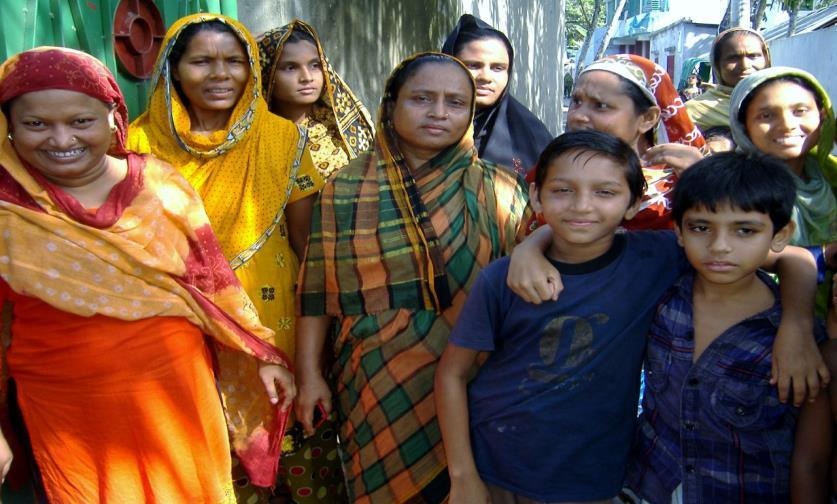
Bangladesh is a developing country in South Asia with a population of over 148 million. Over 47 million people live below the poverty line, with women and children being the most vulnerable. The Khulna region, including Bagerhat and Satkhira, is located in the remote southwestern delta. This disaster-prone coastal belt has endured catastrophic natural disasters within the last 15 years, including cyclones Sidr, Aila, Amphan, and Reshmi.
Permanent drainage congestion, tidal water logging, and salinity intrusion have endangered traditional agriculture and rural livelihoods. Since 1988, grassroots social activists mobilized to raise awareness and provide technical, organizational, and material support. Consequently, RUSTIC emerged as a recognized voluntary social development agency to assist vulnerable communities to establish themselves socially, financially, and culturally.
RUSTIC targets the poorest and left-out majority irrespective of race, caste, or creed, championing community-driven climate resilience and socio-economic empowerment across coastal Bangladesh.
"It is time to find an effective way to give hope for the survival and development of the left out majority. RUSTIC has emerged to instill this dream into the left out majority." — RUSTIC Organizational Profile Page 6
An equitable, just, and self-reliant society facilitated through community empowerment; creating a dignified, poverty-free environment that makes no distinction to race, religion, gender, or creed.
“Poverty alleviation is well-known to the poor — only organized assistance is required.” Mainstreaming sustainable socio-economic development and climate adaptation for deprived, vulnerable, and affected populations.
Structured multi-sectoral development pillars driving sustainable change across southwestern Bangladesh.
Federating grassroots populations into democratic self-help groups and village federations.
Non-formal primary education, eradicating hazardous child labour, and technical vocational training.
Sustainable agriculture, cage aquaculture, livestock rearing, and micro-entrepreneurship.
Solid waste composting, domestic biogas plants, snail biodiversity, and rainwater harvesting.
Child protection, elderly rehabilitation, maternal healthcare, and safe drinking water supply.
RUSTIC operates under a transparent, democratic constitutional framework guided by an elected General Body and Executive Committee.
The General Body comprises 31 dedicated social workers, educationists, lawyers, and development practitioners. Meeting annually, it ratifies institutional policies, reviews annual audited accounts, and elects the Executive Committee every 2 years.
Elected every two years by the General Body, the 7-member Executive Committee (President, Vice-President, Executive Director, Treasurer, and Members) meets quarterly to guide strategic project implementation and ensure full regulatory compliance.
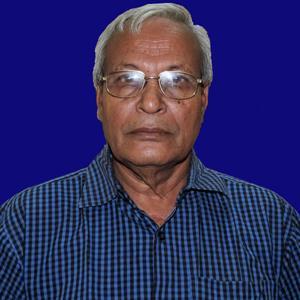
Born in 1951, Fakirhat Upazilla. Freedom fighter (1971) and social reformer since 1972. Serving as Executive Director of RUSTIC since 1988, leading municipal solid waste composting, snail biodiversity conservation, and coastal climate resilience.
Operational deployment comprises 13 Permanent Core Staff, 21 Project / Field Staff, and 7 Core Volunteers. Multi-disciplinary field teams manage engineering, health, non-formal schools, and ecological projects across 11 Upazilas.
RUSTIC maintains an ethical, gender-balanced workforce committed to participatory governance and community empowerment:
| Personnel Category | Male | Female | Total |
|---|---|---|---|
| Permanent Core Staff | 8 | 5 | 13 |
| Project / Field Staff | 9 | 12 | 21 |
| Core Volunteers | 3 | 4 | 7 |
| Total Organizational Strength | 20 (49%) | 21 (51%) | 41 |
Transparent decision flow from the General Body down to grassroots community frontline units: