rustickln.bd@gmail.com
The UNESCO World Heritage Sundarbans mangrove forest acts as a natural biome barrier against tidal surges and cyclones for the entire southern region of Bangladesh. However, deforestation and anthropogenic encroachment have weakened this vital ecological shield.
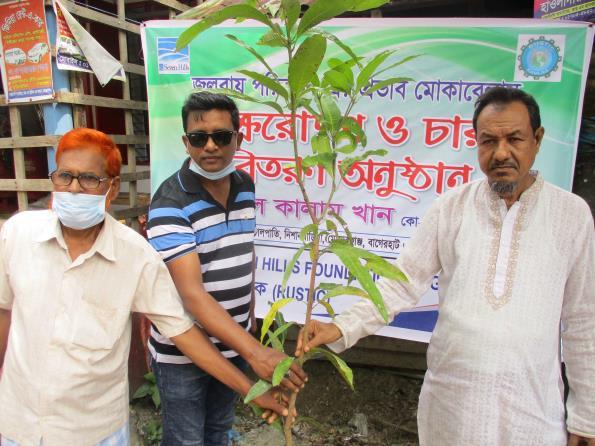
RUSTIC's Program 6.6 establishes community-managed coastal greenbelts along vulnerable riverbanks and polder embankments. By mobilizing local forest-dependent households (Bawalis and Mouals) as primary stewards, RUSTIC facilitates extensive mangrove planting, strip plantations, and decentralized homestead nurseries that generate carbon offsets while stabilizing topsoil against erosion.
Planting indigenous mangrove species (Keora, Gewan, Bain, Golpata) along newly accreted riverbank char lands and mudflats across Mongla, Shyamnagar, and Dacope.
Partnering with the Local Government Engineering Department (LGED) and Forest Department to plant timber, medicinal (Neem, Arjun), and windbreak trees along 180+ kilometers of rural roads.
Training landless women in nursery grafting, seedling bag preparation, and marketing of high-yield fruit saplings (Mango, Guava, Coconut) to ensure income while enriching rural biodiversity.